1–2–3: why a newborn’s hearing screening can’t wait
Screening by one month, diagnosis by two, support by three. What this means for parents, and what to do if your baby doesn’t pass.
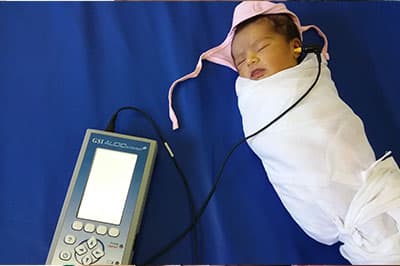
Most babies born with hearing loss look and behave like any other baby. They startle, they smile, they coo. Without a screening, hearing loss is often only suspected when speech doesn’t arrive — at a year and a half, or two — and by then months of listening have been lost.
Screening by one month
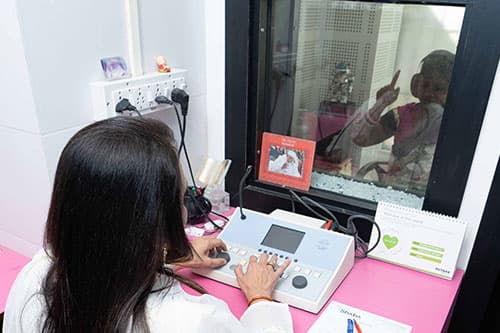
An OAE screening takes a few minutes and is done while the baby sleeps. A soft probe plays quiet sounds and listens for the inner ear’s echo. If the result is ‘refer’, don’t panic: in the first days it is often just fluid in the ear canal. The screening is repeated, and an AABR test may follow.
Diagnosis by two months
If a baby doesn’t pass the repeat screening, a full hearing assessment tells us whether there is a hearing loss, how much, and in which ears.
Support by three months
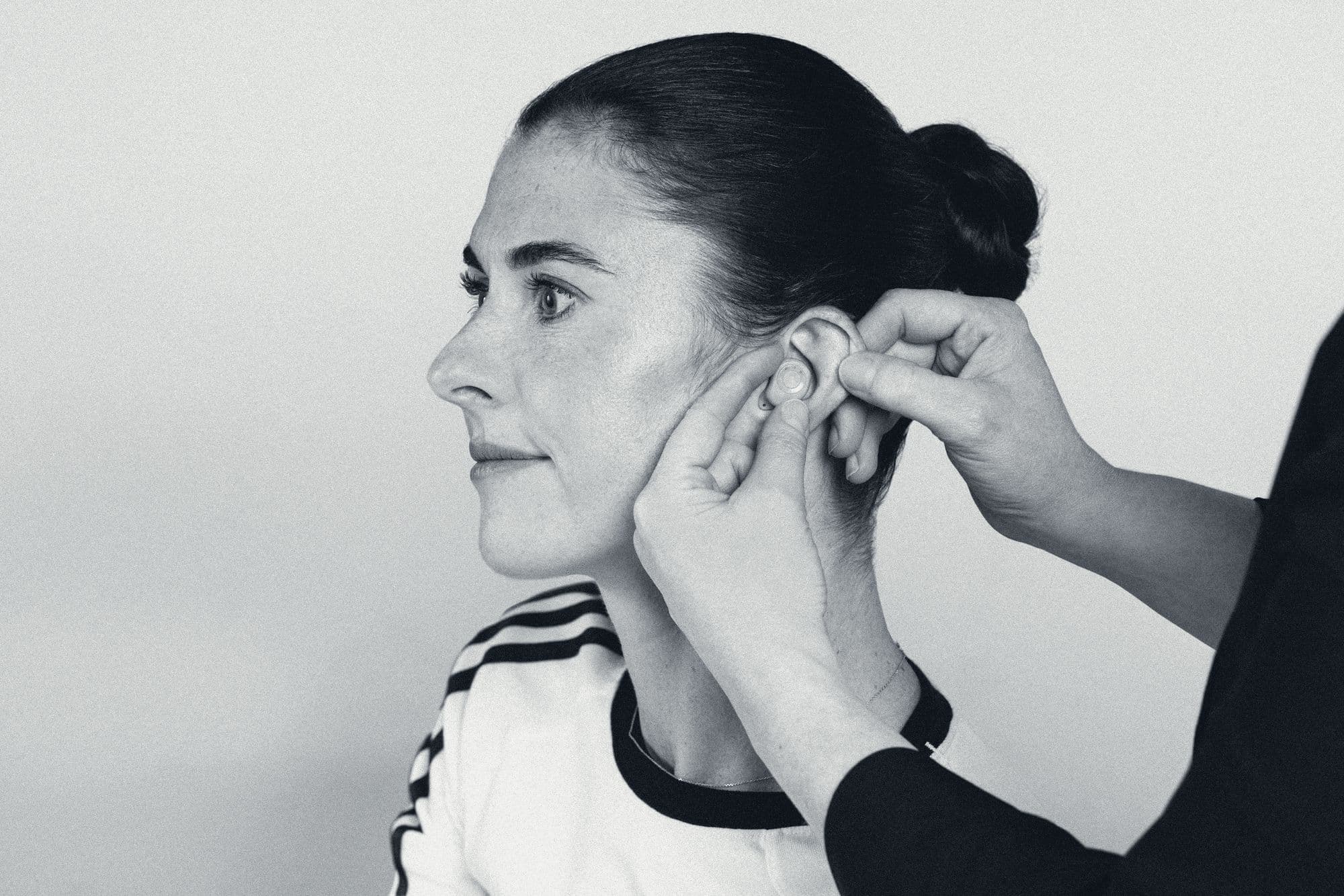
Hearing aids can be fitted to a baby in the first months of life, and families can start listening and language work at home. The earlier this starts, the closer a child’s speech and language can come to their hearing peers’.
Check again later if…
- There is a family history of childhood hearing loss
- Your baby spent more than five days in a neonatal ICU
- Your child had severe jaundice, meningitis or another serious infection
- Your child isn’t meeting the speech milestones for their age